Change Language :
Electric Motors
Electric motors convert electrical energy into mechanical motion and are used everyday in a variety of applications. These applications can range from positioning systems, to automated linear systems and robotics. The specific application and its requirements will determine the type of motor that is required.
Types of electric motors we offer
There are a few key motor types, such as stepper motors, DC motors and brushless EC/BLDC motors. All of them offering varying levels of control, speed, torque and positioning accuracy. But it can be complicated understanding which motor is best for individual applications so understanding these differences is crucial.
| Motor Type | Features | Applications |
|---|---|---|
| Stepper motor | Low to medium speed performance, High-holding torque, open loop control. | Positioning, automation |
| DC motor | Low speed operation with very simple control | Drives, automation |
| Lead screw motor | Converts a rotational movement into a linear movement | Lifting, positioning |
| EC/ BLDC motor | Efficient, high-speed, continuous rotation | Positioning, dynamic automation |
Why choose igus® motors?

Shipping from 24hrs and consistently maintained stock

All electric motors are 100% tested

Long product life

No minimum order quantity


How do I choose the best electric motor for my application?
What movement do you need?
Rotary or linear?
What speed do you need?
Look at continuous as well as acceleration
How are you controlling your motor?
Look at the requirements for the motor controller as well as the interface
What is the operating environment?
Think about dirt, dust, space, temperature
What accuracy is required?
When combining motors with different linear systems the accuracy changes
How much torque is needed?
Look at the torque/ load ratio
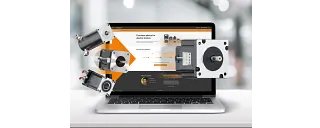
Configurators to find the right electric motor for your application
Understanding which type of motor you need is essential. Now, its time to try and find a suitable motor and lead screw combination for your application.
We have designed configurators to help with these decisions. In a few simple steps you can find the best motor for your application based on the criteria and details you provide.
Application examples with igus motors


Frequently asked questions about electric motors
An electric motor converts electrical energy into mechanical energy through electromagnetic forces, causing a rotor to spin within a magnetic field.
igus® provide a variety of motors:
- EC/BLDC motors
- DC (direct current) motors
- Stepper motors
These are designed for a variety of purposes that allow entire handling systems to be configured.
You can apply voltage to the motor to see if it spins freely, checking for abnormal noises, and ensuring it operates within specifications. Contact our experts for more information.
Not all electric motors need a motor controller so it is motor dependent.
When looking at the differences between the two, the key feature is how the motors rotate and also how they are controlled.
Absolutely. Most linear systems that are automated are powered by electric motors.
Compatible products for our electric motors


Contact us
Contact details

Seán Ryan086 0329555Submit form
Opening hours
Office hours
Monday to Friday from 8 am - 8 pm.
Live chat:
24h